
Retention Strategies for After-School Club Success: Top 5 Proven Tips
Running a successful after-school club is no small feat. Managing...
EXOCLASS
Growth


Not long ago, a good after-school club could rely on word of mouth, a notice on a school bulletin board, or a short post on social media. Today, that reality has changed completely. Clients increasingly search for information online before making a decision, compare different options, and want to clearly understand what a club offers and what makes it different. Even a high-quality, well-established club can go unnoticed if it is not visible where decisions actually happen.
Recommendations and occasional announcements still have value, but they no longer guarantee a steady flow of students. Competition is growing, attention spans are shorter, and expectations are higher. If a club lacks a clear message, an easy after-school club registration process, and consistent online visibility, clients choose options that are easier to find and understand. In this context, student registration becomes not just a technical task, but a core part of marketing.
Today, digital marketing for after-school clubs is a prerequisite for long-term results. It helps build trust, provide clarity, and create a professional image. When combined with a well-structured after-school club management system, marketing becomes a solid foundation for sustainable after-school program growth. In this article, we show how after-school clubs can become visible, understandable, and chosen in today’s digital environment.
Who the Real Decision-Makers Are
Although after-school clubs are designed for children, the decision to join is made by parents. They are the ones searching for information, comparing alternatives, and evaluating whether a specific club meets their family’s expectations. For this reason, digital marketing for after-school clubs should focus not on children, but on parents—those who decide, register, and pay. If communication fails to answer parents’ key questions, even a strong club can remain overlooked.
Parents care most about safety and reliability: who leads the activities, what experience the instructors have, and whether the environment is well-organized and transparent. Value is equally important—what the child will learn, how the club supports skill development, and how it contributes to personal growth. Finally, parents expect clarity: how after-school club registration works, how easy it is to find schedules, pricing, and practical details. All of these factors are directly linked to after-school program growth and an organization’s ability to build trust.
How Parents Search for After-School Clubs Online
In most cases, a parent’s journey begins online. Searches are usually simple and practical: “after-school clubs near me,” “club for children,” or “after-school clubs.” If a club does not appear at these search points—or provides unclear information—it loses a significant share of potential inquiries. That is why clearly presented student registration and a logical information structure are essential parts of effective marketing.
Social media also plays an important role in shaping decisions. It allows parents to see the club’s atmosphere, how activities are conducted, and what values the organization represents. Still, the first impression is often decisive: whether the information is well-structured, whether answers to key questions are easy to find, and whether the after-school club management system helps parents quickly understand how everything works. When the first online interaction builds trust, the likelihood that parents choose that club increases significantly.
Social Media as a Tool for Building Trust
Today, social media works better for after-school clubs than traditional advertising because it shows reality rather than promises. Parents want to see what everyday activities look like, what kind of atmosphere exists during sessions, and who stands behind the club itself. That’s why digital marketing for after-school clubs on social media should be built around meaningful content, not just promotional calls to register. Photos and videos from real activities, teacher stories, and examples of children’s progress help build trust and allow parents to form a realistic impression.
It is important to avoid so-called “empty promotion,” where communication is limited to repeated invitations to sign up. Instead, clubs should show the process: how sessions are run, how children engage, and how their skills develop over time. This type of communication creates a genuine sense of community and helps parents feel more confident in their decision. Over time, this directly contributes to after-school program growth, as trust becomes the key factor in choosing a club.
Search and Local Visibility
Even clubs that are active on social media lose opportunities if they are not visible in search results. For many parents, a Google search is still the first step when looking for a club. If a club’s website or information does not appear in search results, it effectively does not exist for part of the audience. That is why search visibility is a critical part of digital marketing for after-school clubs.
Local visibility is especially important. Parents usually search for clubs in a specific area, so clear information about location, schedule, and conditions becomes decisive. Simple but essential steps include a clean and well-structured website, up-to-date information about activities, an easy-to-find after-school club registration process, and authentic parent reviews. Together, these elements not only improve discoverability but also build trust before the first direct contact.
Email Communication as a Relationship-Building Tool
Although often seen as an “old” channel, email remains one of the most effective ways to maintain communication with parents. It allows clubs to communicate directly, without social media algorithms or digital noise. Email can be used not only for reminders about student registration, but also for relationship-building—sharing updates, activity summaries, or important changes.

Segmented communication creates significant value. New parents need clear explanations of how the club works, which after-school club management system is used, and what to expect at the beginning. Meanwhile, the existing community benefits more from updates, schedule changes, and invitations to additional activities. This targeted approach helps maintain strong relationships, reinforces trust, and supports consistent after-school program growth.
What Valuable Content Means for After-School Clubs
When choosing an after-school club, parents are rarely looking for the cheapest option—they are looking for the clearest one. They want to understand how things work in practice: what to expect, what everyday participation looks like, and whether the club will truly meet their child’s needs. That’s why digital marketing for after-school clubs must be built on content that explains rather than simply promotes. The fewer unanswered questions parents have, the greater the trust—and the higher the likelihood they will choose that club.
Valuable content is content that answers parents’ questions before they even ask them. A clear explanation of how the first session works helps reduce uncertainty and anxiety. Information about what a child will learn over the course of a semester allows parents to evaluate real value instead of vague promises. This type of content directly supports student registration, as decisions are made faster and with greater confidence.
Visuals, Text, and Video Content
Visual content is especially important for parents because it shows what even the best-written text cannot fully convey. Photos and videos help create a realistic impression of the environment, teacher–child interaction, how sessions are conducted, and the overall atmosphere of the club. Parents want not only to understand what a club promises, but to see how it looks in real life. Very often, visual content becomes the decisive factor in the final decision.
Importantly, visual content does not need to be technically perfect. Simple, honest videos filmed during a regular session often work better than highly polished but “sterile” photo shoots. Parents are looking for authenticity—real reactions from children, natural communication with teachers, and genuine emotion. When visuals feel overly staged, they can create distance rather than trust.
Text alongside visuals also plays a key role. Short, clear explanations help parents understand context: what they are seeing, why it matters, and how it benefits their child. This combination—visuals supported by meaningful text—creates a clear narrative that strengthens digital marketing for after-school clubs and naturally encourages after-school club registration. Over time, this content becomes not just a marketing tool, but a foundation of trust.
The EXOCLASS Filming Initiative: Real Clubs, Real Stories
Recognizing how important it is to show the true everyday life of clubs, EXOCLASS, together with Blitzvision, launched a dedicated filming initiative for after-school clubs. Its goal is to help clubs create short, engaging video stories that reflect real activity rather than scripted advertising. These videos allow parents to see how sessions are run, how children engage, and what the atmosphere is truly like.

A strong example of this initiative is “Good Wind Club,” where video content became not an advertisement, but the club’s real face. Authentic visuals help parents understand the club’s value more quickly and make informed decisions with confidence. In this way, visual content becomes not a one-off campaign, but a natural part of after-school program growth, supporting student registration and long-term trust.
Read more about the success story of Good Wind Club here.
How to Build Trust in the Digital Space
In the digital environment, trust does not come from advertising—it grows from real experiences. For parents, reviews, recommendations, and authentic stories are especially important, as they show how a club actually operates day to day. The more genuine experiences parents can see online, the easier it becomes for them to make a decision. This kind of communication helps demonstrate that a club is not just a well-presented offer, but a real, reliable community in action.
Over time, parents naturally become the club’s strongest ambassadors. When their experience is positive, they share it on social media, recommend the club to others, and contribute to organic visibility. This is one of the most powerful forms of digital marketing for after-school clubs, because it is built on trust rather than promotional messages. The more real voices are heard, the more stable student registration becomes.
In this context, digital communication acts as an extension of the community itself. It helps maintain connection, share updates, celebrate achievements, and involve parents in the life of the club. This creates long-term relationships that support not only registrations, but also steady after-school program growth.
Partnerships and Local Visibility
Trust is also strengthened through a visible connection to the local environment. Collaboration with schools, kindergartens, and local community organizations helps a club become a recognized and trusted local presence. Parents want to see that a club is integrated into the environment where their children live and learn, rather than operating in isolation.
These partnerships should not remain invisible online. Shared events, mutual mentions, recommendations, and joint content in digital channels reinforce a club’s credibility. They signal that the organization is connected, valued, and recognized by other educational initiatives. When reflected in digital communication, this local connection directly supports trust and encourages after-school club registration.
Over time, local visibility becomes one of the most important competitive advantages. When parents see that a club is active, visible, and recommended within their own community, the decision to register becomes much easier. In this way, partnerships and community engagement naturally strengthen after-school program growth and long-term stability.
What Is Truly Worth Measuring in After-School Club Marketing
One of the most common marketing traps is placing too much emphasis on surface-level metrics. Likes and follower counts may look impressive, but they don’t necessarily reflect real impact. Digital marketing for after-school clubsbecomes meaningful only when it leads to action—not just visibility. That’s why the most important metrics are those directly connected to growth.
Real indicators of success include student registration, incoming inquiries, and participation in trial sessions or events. These metrics show whether a marketing message is reaching the right audience and whether it is clear enough to prompt action. Even simple numbers—such as how many people registered after a specific post or campaign—can provide more insight than thousands of views with no tangible outcome.
Every after-school club can track basic metrics: the number of registrations per month, sources of inquiries, and how many people arrive via social media or search. This data helps distinguish what truly supports after-school program growth from what is merely noise.
How Data Helps You Grow Without Stress
Measurement allows organizations to respond in time, rather than reacting once problems have already escalated. When it’s clear which message or channel generates after-school club registration, efforts can be focused and strengthened there. If results are weak, strategies can be adjusted early—without wasting budget or team energy. This makes growth calmer and more predictable, eliminating constant guesswork.
Data also helps determine when it makes sense to invest more—and when it’s better to pause or change direction. For example, if a particular campaign consistently brings in new students, scaling it becomes a logical step. If results don’t justify the effort, stopping becomes a fact-based decision rather than an emotional one. In this way, digital marketing for after-school clubs becomes a continuous, structured process instead of a one-time experiment.
Over time, this approach helps build a sustainable system where marketing and the after-school club management system work together, and growth is planned and controlled—not chaotic.
To make marketing results easy to understand, EXOCLASS provides a complete overview in one place. The system allows clubs to track student registration, use campaign discount codes, and clearly see which promotions or ads generate real results. This removes guesswork and replaces it with certainty about what actually works.
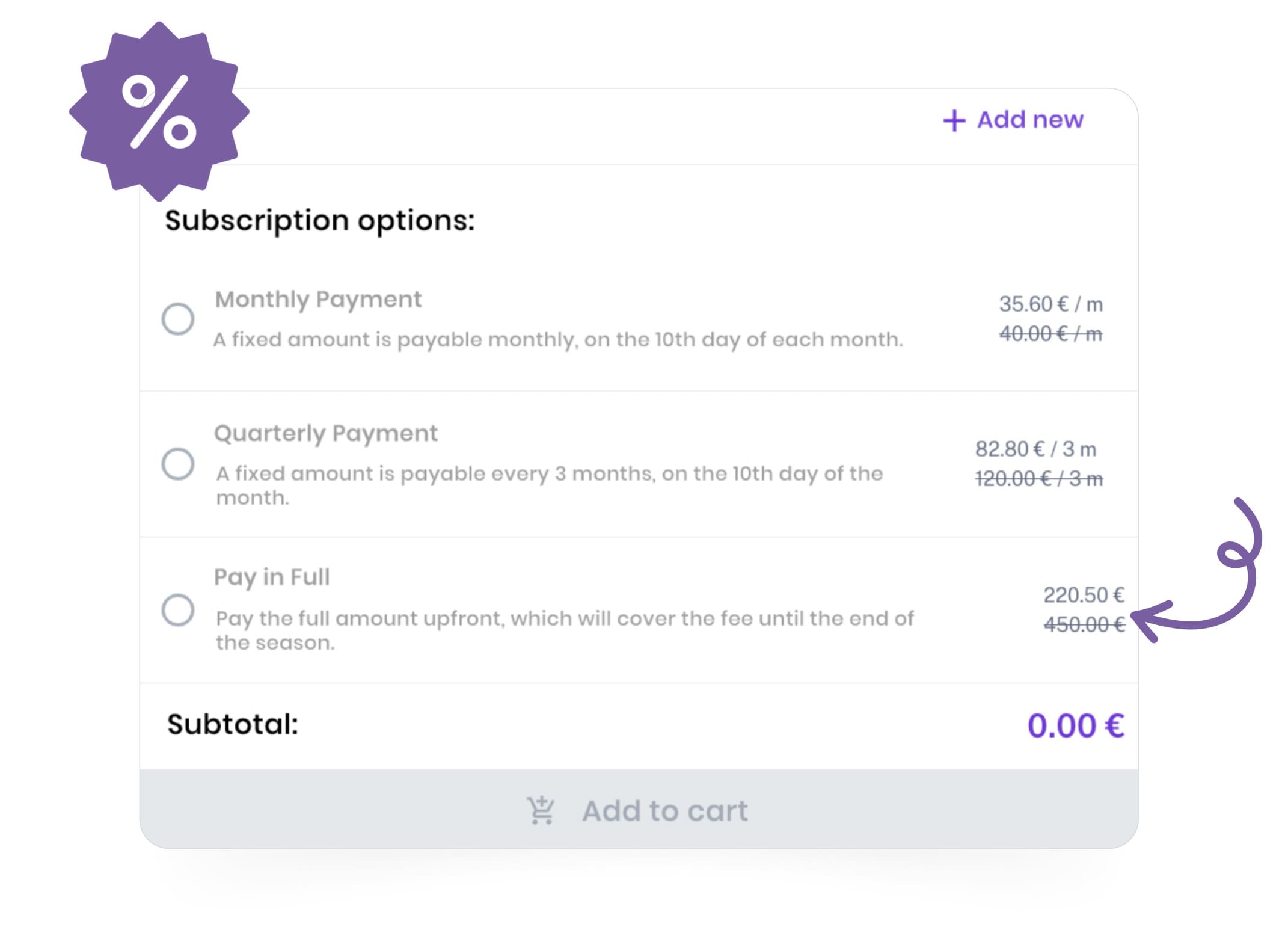
EXOCLASS also makes it possible to link registrations directly to advertising campaigns, including those run on Meta platforms. As a result, clubs can see which ads lead to real registrations—not just clicks. All data, from the first interaction to a completed registration, becomes connected.
By analyzing this data, after-school clubs can make more informed decisions, plan budgets more effectively, and ensure consistent after-school program growth. In this context, EXOCLASS becomes not only an administrative solution, but a strategic tool that turns marketing into a clearly managed part of growth.
Digital marketing should not be seen as a separate, occasional “advertising activity.” The strongest results come when marketing becomes a natural part of everyday club operations—just as important as organizing sessions or managing after-school club registration. When communication is consistent, it not only attracts new students, but also maintains relationships with the existing community, strengthens trust, and supports long-term after-school program growth.
In practice, consistency and simplicity often outperform large but short-lived campaigns. Regular content, clear messaging, and easy-to-understand processes help parents make decisions faster and feel more confident. When digital marketing for after-school clubs is aligned with a well-structured after-school club management system, marketing no longer creates additional pressure—it becomes predictable and manageable.
Most importantly, it’s best to start with small but clear steps. This might include well-organized online information, a simple and transparent student registration process, regular communication with parents, or a few high-quality social media posts each month. These actions create a strong foundation that allows after-school clubs to grow calmly, strategically, and without chaos.