
When Payroll Becomes a Headache: Why Coach Workload Management Takes Too Much Time
Calculating coach salaries in Lithuania is often a complex, fragmented...
EXOCLASS
Functionalities

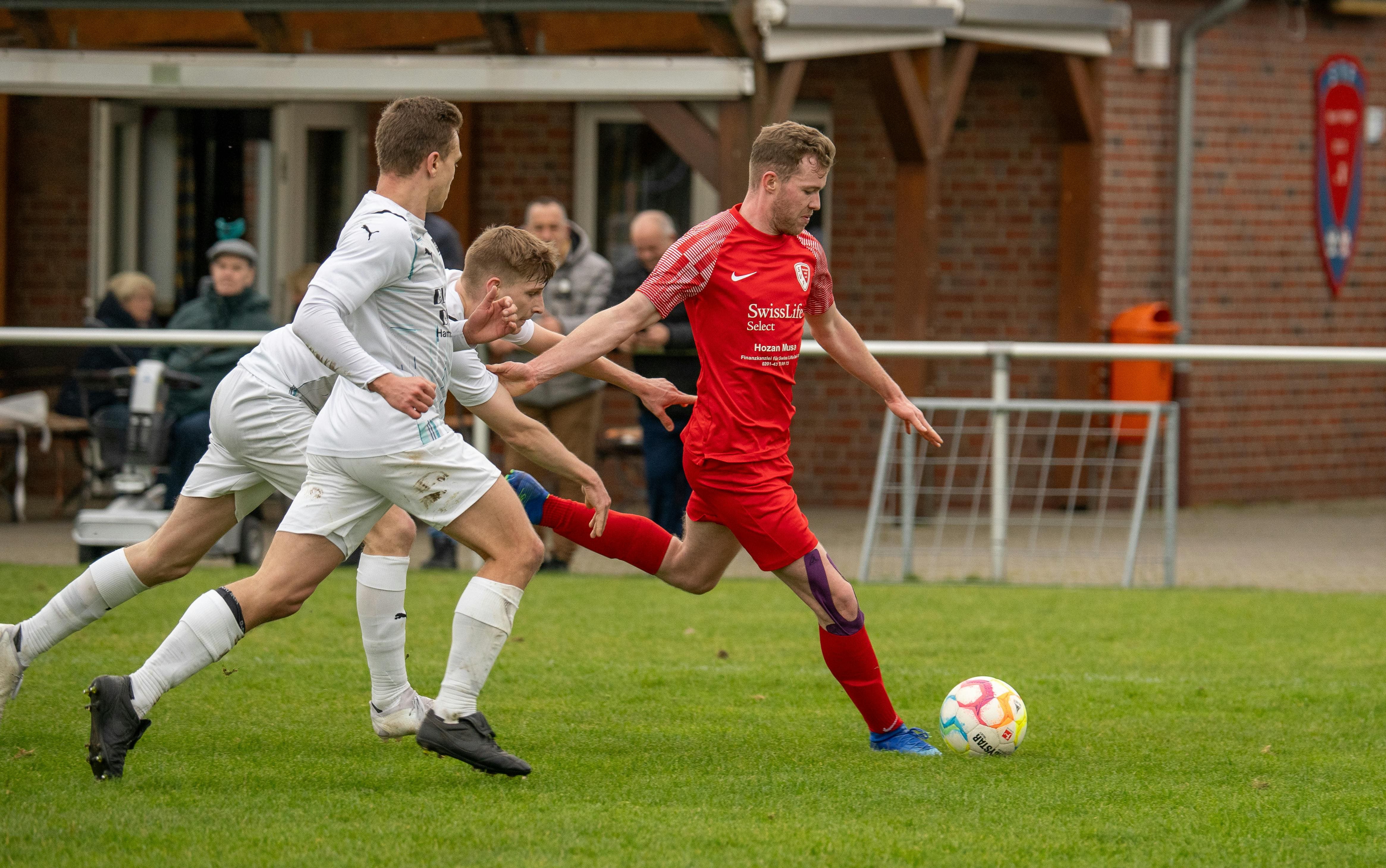
Most football after-school clubs start out simply. A few groups, one or two coaches, a dozen children, and a lot of enthusiasm. In the early stages, basic bookkeeping is enough. Registration happens through text messages or email, and payments are made by bank transfer. This model works while the club is still small and everyone knows each other by name.
But growth changes the rules of the game.
As the number of students increases, so do the age groups, training schedules, additional programs, and seasonal camps. Football after-school clubs begin to operate like full academies, where every mistake costs time and money. This is where administrative limits quietly begin to slow down expansion.
Registration through separate forms, scattered emails, or social media messages eventually becomes unmanageable. The football registration page is often just a simple form, not integrated with payments or group allocation. Administrators have to manually transfer data, check whether spots are still available, confirm payments, and ensure each child is assigned to the correct group. Inevitably, this creates room for errors.
Payments made through individual bank transfers without a centralized system only make things more complicated. The administration must check bank statements, mark who has paid, identify overdue payments, and send reminders. Attendance is often tracked in separate spreadsheets or even on paper lists. This fragmented structure makes effective student management nearly impossible, as information is scattered and difficult to access in one place.
As the academy grows, more and more time is spent fixing mistakes instead of planning strategically. Instead of thinking about launching new groups or building partnerships, the director deals with daily operational issues—who hasn’t registered, who hasn’t paid, which group is short on spots. At this stage, a football club management system is no longer a convenience; it becomes a necessity.
When football after-school clubs grow larger and more ambitious, management can no longer rely on disconnected tools. A unified solution is required—one where the football registration page, student management, payment administration, and scheduling all work together. Only then can a director move from operational problem-solver to strategic leader. And only then does a football club management system become a true foundation for growth rather than just a technical tool.
For a growing academy, the football registration page is more than just a form. It’s the place where a decision turns into action. This is where parents decide whether your football after-school clubs look professional, trustworthy, and worth committing to.
If registration is complicated, slow, or unclear, a portion of interested families will simply drop off. That’s why a football club management system must ensure the entire process is simple, transparent, and fully optimized for mobile use.
Clear structure reduces hesitation. Parents should immediately see:
A football registration page cannot function as a basic data collection form. It must operate as a clearly structured information space where parents can make a confident decision quickly.
When football after-school clubs begin to fill up quickly, manual tracking of available spots becomes risky. Overcrowded groups or incorrect assignments create tension and reduce trust. A properly implemented football club management system allows administrators to monitor group capacity in real time and automatically close registration once spots are filled. That is not just convenience—it is a mark of professionalism.

Registration must also be fully connected to student management. As soon as a child registers, all their information should flow into a centralized system. Student management cannot rely on manual data transfers or additional spreadsheets. Automated confirmation emails, reminders, and access to registration history allow the administration to work in a structured and efficient way.
When the football registration page, payments, and student management operate within one unified system, registration stops being an administrative burden and becomes a growth driver.
Convenient registration directly increases the number of new students. And when football after-school clubs can welcome more children without adding operational chaos, a football club management system becomes more than a technical solution—it becomes the infrastructure that supports long-term academy growth.
For a growing academy, full groups alone do not guarantee sustainable growth. True stability begins when a football club management system ensures a clear and predictable revenue stream. Finances cannot be tracked approximately—they must be visible, understandable, and easy to manage.
Manually tracking bank transfers eventually becomes a weak link. Administrators check bank statements, mark who has paid, identify late payments, and send reminders. The more children attend your football after-school clubs, the more time these tasks consume. Errors become more likely, and the overall financial picture becomes less transparent.
Automated payment management fundamentally changes this dynamic. Instead of manual tracking, you have a structured system that:
When registration and payments operate within the same environment, the entire process becomes consistent and transparent—for both administrators and parents.
Flexibility in payment models is equally important. An academy may apply a registration fee, a monthly subscription, or additional fees for tournaments and camps. All of this should be managed within one system, clearly and without extra spreadsheets. This way, student management and finances form a unified structure rather than disconnected processes.

You can read more about why having a clear pricing structure for your club matters in our dedicated article.
Real-time visibility of outstanding payments is another key factor. The administration must clearly see which students have paid and which require a reminder. Revenue reports by group, coach, or season help identify which areas are growing fastest and where further investment makes sense.
Financial transparency enables confident planning. When revenue is predictable and clearly tracked, academy leaders can invest more boldly in new groups or expand their coaching team. Without a structured payment system, every growth decision becomes a risk. Growth supported by data is always more sustainable than growth based on intuition.
As an academy grows, it’s not only registration or payments that become more complex. The real challenge often lies in daily operations—training schedules, field availability, and coach coordination. When these processes are managed separately, mistakes become inevitable. That’s why a football club management system must ensure that scheduling is centralized, clear, and transparent.
When football after-school clubs have multiple age groups, different skill levels, and more than one training location, manual planning quickly becomes risky.
Within one system, you need to coordinate:
This prevents overlaps and situations where the same field is accidentally booked for two teams at the same time.
Attendance tracking is equally important. A schedule should not be just a time plan—it should be connected to real participation. When attendance is recorded within the system, it becomes possible to analyze trends, identify declining engagement, and respond in time. This strengthens student management and helps maintain stable group participation.
Coach accounts with limited access allow each coach to see only what is relevant to them—their groups, schedules, and attendance. This increases accountability while protecting overall data integrity. The administration no longer needs to send separate spreadsheets or reminders, as all information is accessible in one place.
Automatic reminders about upcoming sessions or schedule changes reduce communication errors. Parents and coaches receive timely updates, and administrators no longer need to manually send individual notifications. Archiving seasons and preserving historical data makes it possible to track how groups evolved, how attendance changed, and what results were achieved.
When schedules, coaches, and attendance are managed within a single system, the likelihood of conflicts decreases significantly. The administration saves time, errors are reduced, and the entire academy operates with greater transparency. This level of operational efficiency allows football after-school clubs to grow without creating additional chaos.
When football after-school clubs reach a certain scale, simple administration is no longer enough. Leaders need to see the bigger picture—not just who showed up to training today, but where the entire academy is heading. This is where a football club management system becomes not just an administrative tool, but a strategic one.
Real value emerges when the system helps answer critical questions:
Without this data, decisions are often based on intuition. With it, decisions become focused, measurable, and intentional.

Attendance analysis allows administrators to detect declining engagement early and take action before a student drops out. Revenue reports help identify where investment makes the most sense—whether in new groups, expanding the coaching team, or launching additional programs. Financial clarity builds confidence when planning expansion.
When registration, payments, and student management are connected within one system, reports stop being complex documents and become daily management tools. Leaders no longer see isolated fragments of information—they see the whole picture.
That’s when their role begins to change. Instead of solving operational issues, they become strategists who rely on data to guide growth. At this point, a football club management system takes on its true meaning—it becomes the foundation for long-term, sustainable development.
Many football academies start with just a few groups. But the vision is usually bigger—more teams, more programs, more opportunities for children. The real question is simple: is your system ready for that growth?
EXOCLASS is built to ensure that growth never turns into chaos.
As your academy expands from a handful of groups to dozens of teams, the system helps maintain clear structure and control. New programs, seasonal camps, and tournaments can be launched within the same environment—without relying on extra tools or scattered spreadsheets. Different payment models, whether registration fees, monthly subscriptions, or one-time payments, are managed in one place.
Growth should not mean administrative overload. New coaches can be added easily, with clearly defined access levels. Schedules, attendance, and communication remain visible and coordinated—without endless email threads or disconnected documents.
EXOCLASS operates as a unified platform where registration, payments, scheduling, and reporting are integrated into one structured system. The football registration page is not a separate element—it is directly connected to student management and financial tracking. All information about students, attendance, and payments is accessible in one place.
In the long run, your system must enable growth—not restrict it. EXOCLASS is more than a tool. It is the foundation that allows your football academy to grow steadily, transparently, and strategically.
Would you like to book a demo and see how EXOCLASS can work for your football academy? Get in touch with us and discover how one system can unify registration, payments, and student management into a seamless growth process.