
Turning Billing Options into Registrations: 4 Proven Strategies
When it comes to attracting new customers, the registration experience...
EXOCLASS
Growth


Padel is experiencing rapid growth in Lithuania and across Europe. Every season, new clubs are opening, existing venues are expanding, and the number of both beginner and advanced players continues to rise. But with growth comes increasing complexity in padel club management—more training sessions, more tournaments, more bookings, and more administrative decisions to handle every single day.
At first, it may seem like a shared Google Calendar, an Excel spreadsheet, or a few message threads are enough. However, as padel training registration increases, manual processes begin to break down. Bookings overlap, information gets lost, and payment tracking becomes chaotic. Administration teams end up spending more time fixing operational mistakes than strengthening the community.
At the same time, player expectations are rising. Members want:
When these expectations are not met, both the member experience and loyalty suffer.
That is why a padel club management system today is not just a booking tool. It is infrastructure that enables structured growth. It connects padel training registration, payments, member data, and communication into one clear system.
Growing demand without structure creates pressure.
Growth supported by the right system creates opportunity.
A growing padel community is not a problem in itself. The problem arises when growth outpaces process structure. Without a clear padel club management system, padel club management turns into constant error correction instead of strategic development.
Operational pressure typically builds up in three areas: bookings, member management, and finances.
1. Court Booking Chaos
When padel training registration is handled manually, mistakes become inevitable.
Common scenarios include:
Without a centralized system, administrators often discover issues only when players are already standing on the court. This weakens the club’s professional image and creates tension within the community.
Every double booking is a risk to both reputation and revenue.
2. Fragmented Member and Student Management
When padel club management is spread across multiple files or platforms, information chaos quickly follows.
In such an environment, it becomes difficult to understand which members are active, which are late on payments, and which have already disengaged. Without a centralized padel club management system, it is impossible to maintain a complete, real-time picture of the community.
Data fragmentation slows down strategic decision-making.
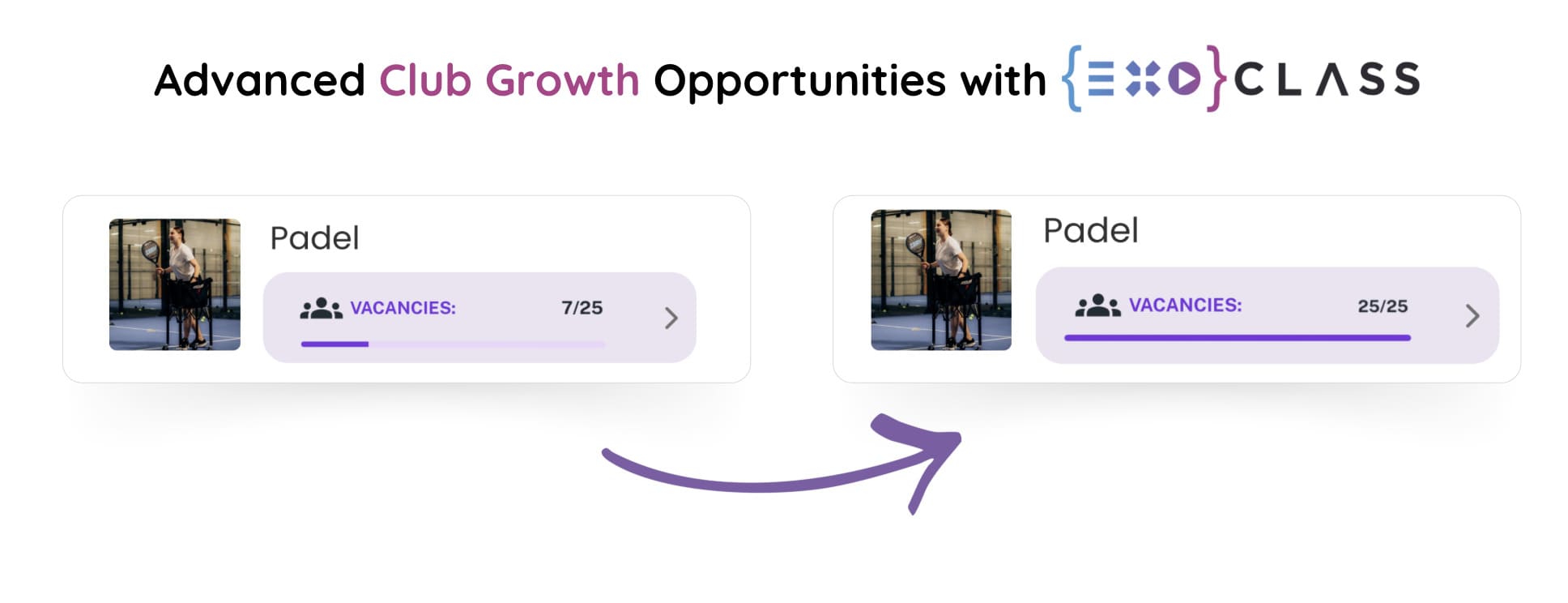
3. Lack of Payment and Subscription Control
Finances are another sensitive area. When padel training registration and payments are not integrated, administration teams are forced to manually verify bank transfers.
The most common consequences:
This not only increases workload but also limits investment opportunities—whether in new courts, additional coaches, or community events.
The Business Question: What Does This Actually Cost?
If 5–10% of court hours remain unused during a season due to booking inaccuracies or weak oversight, that can mean dozens—or even hundreds—of lost hours. Multiply that by the price per hour, and the financial impact becomes clear.
Administrative chaos is not just an organizational issue—it results in direct financial losses.
That is why, for a growing community, a padel club management system is no longer an optional tool. It is a necessary condition for stable, profitable expansion.
Many people assume that a management solution is simply a court booking platform. In reality, a modern padel club management system is far more than a calendar with available time slots. It is a centralized operational engine that connects all core processes into one unified structure.
Such a system coordinates:
Most importantly, everything works in sync. When one element changes—such as a registration or a payment—the system updates it in real time across all related areas. This means padel club management no longer operates in “manual mode,” but through automated, interconnected workflows.
A modern system also provides real-time data: visible court occupancy, session fill rates, active member numbers, and revenue trends. This enables leadership to make decisions based on clear metrics rather than intuition.
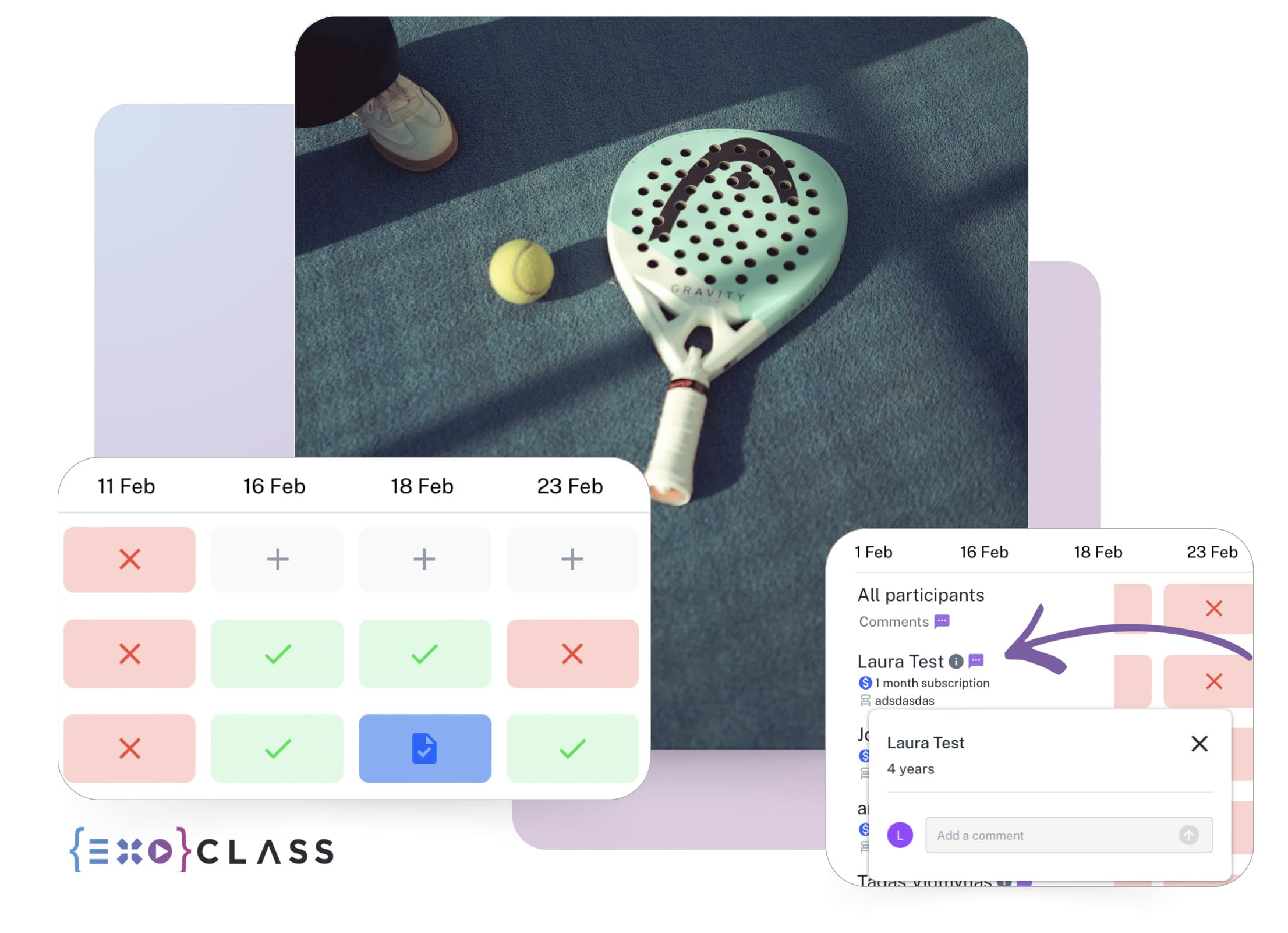
Equally important is 24/7 mobile access. Today’s community expects to book courts, complete padel training registration, or pay membership fees anytime—without phone calls or delays.
A system is not just software—it is coordination infrastructure that enables growth at scale.
As membership numbers increase, only a centralized padel club management system can maintain order, professionalism, and a sustainable growth pace.
When a padel community begins to grow faster than expected, one reality becomes clear—processes must scale alongside membership. What worked with 40 players no longer works with 200. This is where a padel club management system shifts from being a convenience to becoming true growth infrastructure.
1. Centralized Member and Student Management
The foundation of stable growth is clear, structured member management. When data is scattered across spreadsheets and messaging apps, padel club management becomes fragmented and decision-making slows down.
A modern system allows you to:
This means you see not only who registered, but who is actively contributing to the strength of your community.
2. Integrated Payments and Stable Cash Flow
Padel training registration without integrated payments leads to manual verification, delays, and financial uncertainty. As membership grows, this becomes a serious operational risk.
An effective padel club management system ensures:
Stable cash flow makes it possible to invest confidently in new courts, additional coaches, and larger community events.
3. Tournament and Event Management Without Administrative Burden
A padel community grows not only through daily training sessions, but also through tournaments, leagues, and special events. Without the right system, organizing them becomes complicated and time-consuming.
A modern platform enables you to:
Events become a driver of engagement rather than an administrative headache.
4. Automated Communication
As membership increases, individual emails and messages are no longer sustainable. Communication must be fast, accurate, and scalable.
A structured system supports:
The result is fewer no-shows and smoother day-to-day operations.
5. Analytics That Enable Strategic Growth
Growth without data is guesswork. A padel club management system provides clear operational visibility, including:
Data allows leadership to move from intuition to strategy.
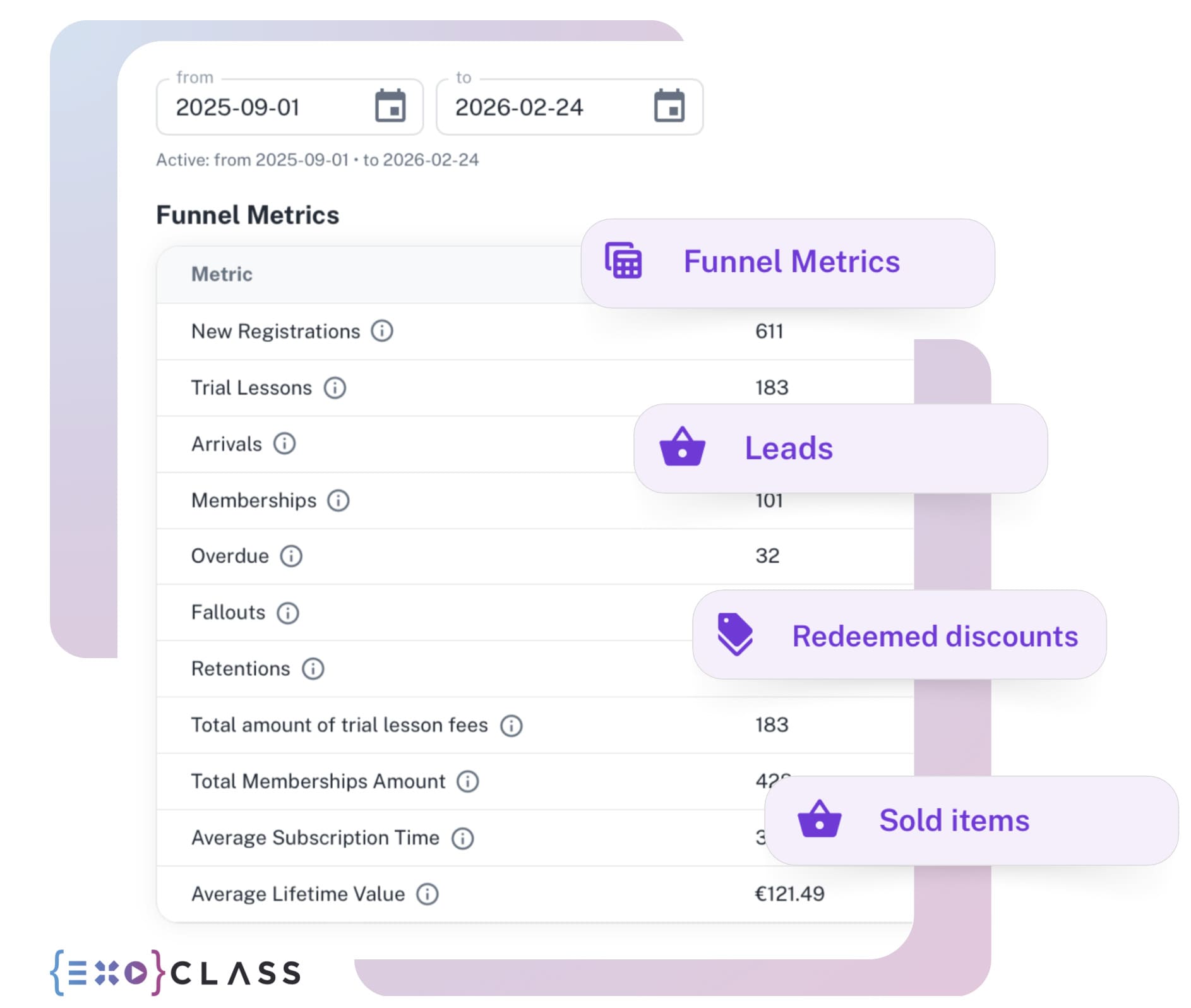
For a rapidly growing community, a padel club management system becomes the foundation for stable and profitable expansion. When padel training registration, member management, and financial processes operate within one integrated structure, the club can scale without proportional increases in chaos.
Read more about staff management with EXOCLASS in this article.
EXOCLASS is built as a comprehensive padel club management system, bringing padel training registration, member data, payments, bookings, and analytics together in one platform. Instead of juggling spreadsheets, chat threads, and separate tools, padel club management happens within a single, centralized system.
With EXOCLASS, you can:
When all processes are connected, administration stops firefighting daily issues and starts working strategically. This allows the community to grow steadily without sacrificing quality or professionalism.
EXOCLASS is not just a booking tool. It is infrastructure designed to maintain order during scaling—when membership numbers, training sessions, and events continue to increase. When padel training registration, financial management, and communication operate within one system, the club becomes predictable, efficient, and ready for expansion.
Growth begins with structure.
🚀 Want to see how EXOCLASS could work for your padel community?
Book a free demo and discover how a modern padel club management system can increase occupancy, stabilize revenue, and reduce administrative workload.