
From Mat to Mindset: What It Takes to Grow a Modern Martial Arts Academy
A martial arts academy is no longer just a place...
EXOCLASS


In recent years, demand for after-school education has grown rapidly. More and more parents are looking for high-quality activities for their children, while after-school clubs are expanding into new locations and offering a wider range of programs. Alongside this growth, however, a different reality has become increasingly clear: the supply of qualified specialists is growing much more slowly. Teachers and coaches have become one of the most critical—and at the same time hardest to secure—resources in the education sector. Today, staff hiring in after-school clubs is often the main factor limiting sustainable growth.
Unlike in the past, strong teachers and coaches are no longer simply looking for a job—they are choosing where and with whom they want to work. Salary still matters, but it is no longer enough on its own. Working conditions, flexibility, clear workload distribution, and respect for their time play an equally important role. After-school programs that fail to offer structure and transparent staff management increasingly struggle with high turnover and difficulties attracting new talent.
In this context, it becomes clear that the success of an after-school club is driven not only by its program or marketing promises, but by the people who work with children every day. Even the strongest educational concept will not succeed without motivated, supported teachers and coaches who clearly understand their role. That is why staffing challenges today are no longer just an “internal administrative issue,” but a strategic decision that directly shapes the future of after-school programs.
In this article, we will explore practical approaches that help after-school programs not only find strong teachers and coaches, but also retain them in the long term. We will discuss where to look for specialists, how to create attractive working conditions, and how well-structured staff management can become one of the strongest foundations for sustainable growth in after-school clubs.
Most after-school programs face very similar staffing challenges, regardless of whether they operate a single club or are expanding across multiple locations. These issues often build up gradually and become especially visible during periods of growth, when clubs scale faster than their internal processes.
One of the most pressing challenges is the shortage of qualified teachers and coaches. Specialists with experience working with children and young people are in high demand, meaning after-school programs are competing not only for students, but also for people. When an offer lacks clarity or fails to stand out, strong candidates often choose alternative opportunities.
Another common issue is high staff turnover, particularly during rapid expansion. New clubs, growing group numbers, and frequently changing schedules can quickly create chaos if staff management is not clearly structured. In such situations, even highly motivated teachers and coaches may begin to feel overwhelmed and undervalued.
Additional pressure arises when trying to attract specialists to new locations. Not all teachers or coaches are willing to travel longer distances or work across multiple sites—especially when working conditions and workloads are unclear. As a result, expansion plans may stall even when demand for after-school clubs is strong.
A crucial but often underestimated factor is the lack of clarity around workload and compensation. When teachers do not fully understand how their pay is calculated, how many hours they actually work, or how their workload changes over time, this quickly becomes a major demotivator. A lack of transparency gradually erodes trust between staff and the organization.
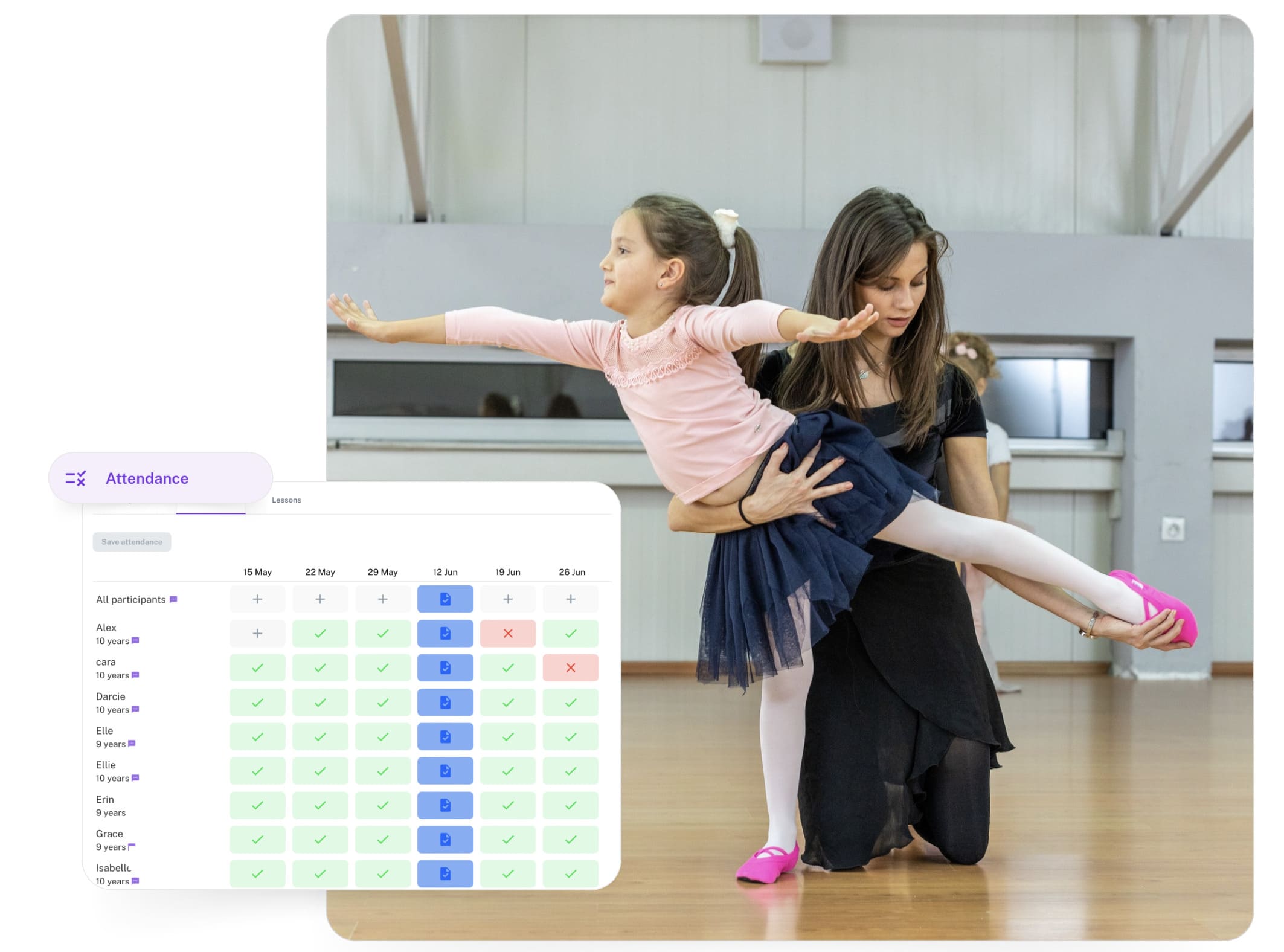
Finally, administrative burden plays a significant role in draining motivation. Manual attendance tracking, disorganized schedules, unclear payment processes, and constant follow-ups consume time and energy that teachers and coaches would rather dedicate to working with children. When administration becomes too heavy, even strong teams begin to struggle. That is why these challenges must be addressed systematically—not simply by reacting to problems as they arise.
Attracting strong specialists takes more than posting a job ad and waiting. After-school programs that grow successfully treat staff hiring as an ongoing process and rely on several complementary channels rather than a single source. Below are proven, practical ways to find teachers and coaches who are a good fit for work in after-school clubs.
Partnering with teacher training institutions
Universities, colleges, and institutions offering teacher training programs are one of the most reliable long-term talent sources. Students studying education, sports, arts, or other child-focused disciplines are often actively looking for opportunities to gain hands-on experience alongside their studies.
Internships, assistant roles, or part-time positions allow after-school clubs not only to assess whether a candidate is well suited to working with children, but also to gradually “grow” specialists within the organization. Over time, these individuals adopt the program’s values, working principles, and methodology, naturally becoming full members of the team. In the long run, this approach reduces recruitment costs and increases staff loyalty.
Specialized platforms and professional communities
Job platforms focused specifically on education often deliver better results than general job boards. Candidates using these platforms are already interested in working with children and young people, which makes the selection process more targeted and efficient.
Social media and professional communities are equally important. Platforms such as Facebook, LinkedIn, and niche professional groups often bring together active specialists who may not be actively job hunting but are open to interesting opportunities. Communication in these spaces tends to be more personal, and recommendations more trustworthy—one reason why communities often outperform formal job listings.
Internal referrals
One of the strongest—and sometimes underused—channels is internal referrals. Existing staff understand the organization’s culture, expectations, and daily realities, making them well positioned to recommend people who are genuinely suited to the team. There is truth in the saying that good employees know other good employees.
A simple referral system—such as a small bonus or added benefit for a successful recommendation—can significantly strengthen staff hiring efforts. At the same time, it increases team engagement and shared responsibility for staff management and the overall success of after-school clubs.
Today’s teachers and coaches no longer make decisions based on salary alone. What matters is the overall work experience—from how daily work is organized to whether the organization genuinely trusts their expertise. After-school programs that understand this are far better positioned to attract strong specialists and stand out in a competitive market.
Flexible scheduling as a competitive advantage
One of the strongest factors influencing a specialist’s decision is a flexible work schedule. Many teachers and coaches balance their work with studies, other professional activities, or family commitments. The option to work part-time, choose a reduced workload, or clearly know when and where sessions take place is a major advantage.
Clear schedules and transparent seasonality also create a sense of security. When after-school clubs communicate workloads and timeframes in advance, specialists can plan their time more effectively and feel greater control over their daily routines. This is especially important for those who want to avoid last-minute changes and unexpected shifts.
Opportunities to create and grow
Equally important is the opportunity to create and grow within the organization. Teachers and coaches want to feel that their ideas are valued—not simply executed according to rigid instructions. Being able to develop their own programs or contribute to improving existing methodologies increases engagement and job satisfaction.
Trusting specialists rather than micromanaging them is one of the strongest drivers of motivation. When staff are given the freedom to adapt content to the needs of their groups, they feel ownership over outcomes and become more invested in the program’s success. This kind of culture strengthens long-term relationships between people and after-school programs.
Transparent and understandable compensation
Finally, compensation still matters—but vague promises like “we’ll figure it out later” are no longer appealing. Specialists expect clarity: how rates are set, how workload is calculated, what is included in pay, and which additional incentives are available.
A transparent compensation structure and clear workload logic reduce tension and uncertainty. When teachers and coaches understand exactly how they are paid and how their income changes as their workload grows, staff management becomes more stable and trust-based. As a result, the after-school club is no longer seen as a temporary option, but as a place where it makes sense to stay and grow over time.
Many after-school programs face the same scenario: strong teachers and coaches join the team motivated and engaged, but over time begin to feel tired, uncertain, or even disappointed. In most cases, they do not leave because of a single issue. Instead, turnover is the result of several small but recurring problems that gradually wear people down. Recognizing these early signals can significantly reduce staff turnover in after-school clubs.
Clear working conditions and realistic workload distribution
Burnout rarely happens overnight. More often, it builds quietly—through unclear schedules, constant last-minute changes, additional sessions, or “temporary” solutions that slowly become permanent. When a coach or teacher does not clearly understand their actual workload, how many hours they work, or how that workload is evaluated, motivation begins to fade.
Clear staff hiring in after-school clubs and automated compensation logic—hourly and monthly rates calculated within one system—help eliminate this uncertainty.
Disorganized schedules and vague conditions are especially damaging in growing after-school clubs. When workloads change unpredictably, staff struggle to plan their personal time, studies, or other professional commitments. Clear workload allocation, stable schedules, and transparent compensation logic help prevent this chaos and create a sense of security—an essential foundation for long-term collaboration.
The role of administration in staff experience
Administrative processes have a strong, often invisible impact on employees’ emotional well-being. The more manual work, duplicated information, and unclear procedures involved, the more energy is taken away from what truly matters—working with children. Staff management based on spreadsheets, paperwork, or constant clarifications quickly becomes demotivating.
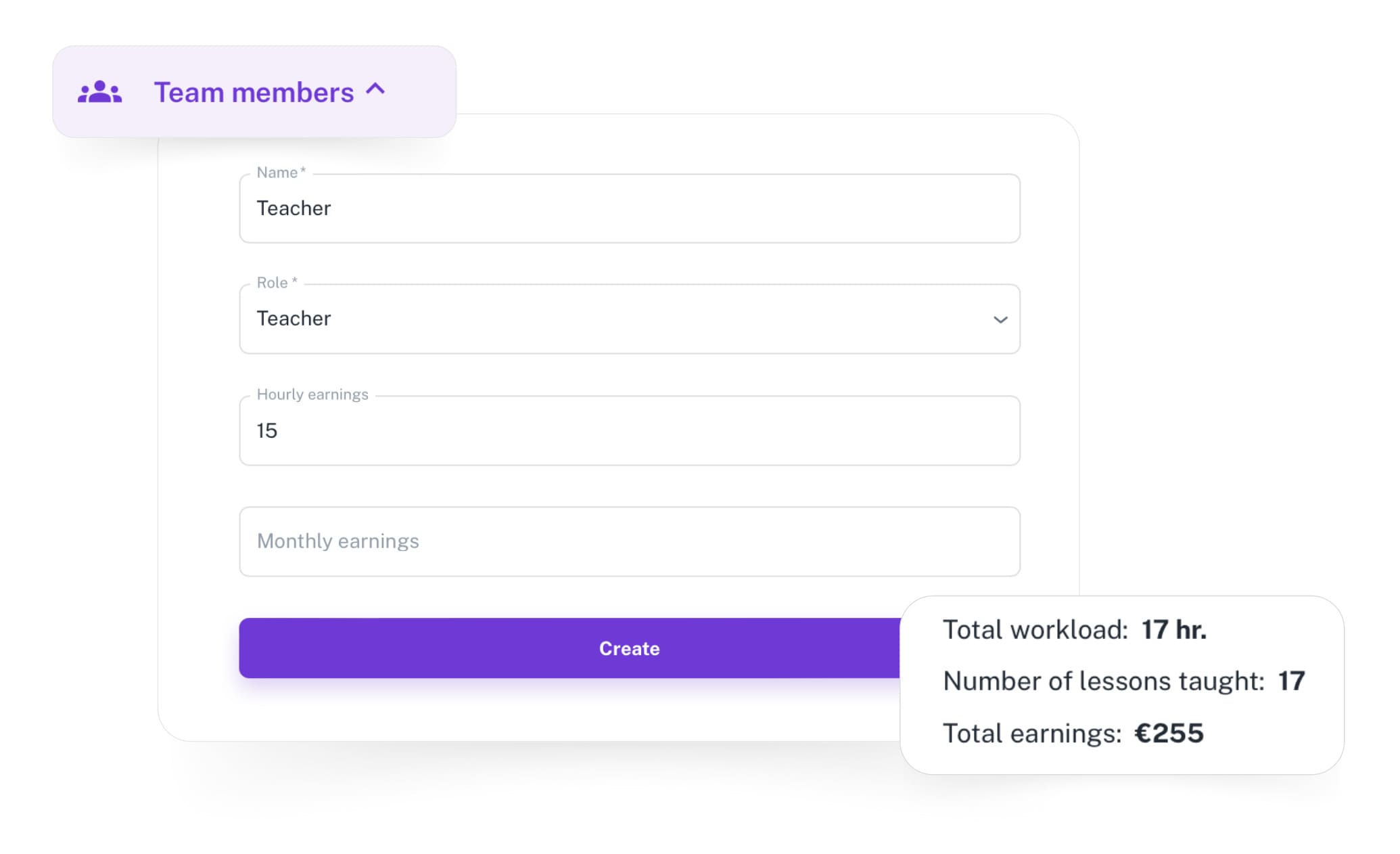
When administration runs smoothly, coaches feel supported rather than burdened. Automated processes, clear schedules, easy attendance tracking, and understandable compensation records allow staff to focus on teaching instead of bureaucracy. Less manual work means more energy for lessons, creativity, and building relationships with students—directly influencing job satisfaction.
Feedback and support
Another common reason why strong specialists leave is the feeling that they are only noticed when something goes wrong. Regular, informal check-ins help address dissatisfaction before it takes root. These do not need to be formal evaluations—sometimes a simple question like “How are things going?” or “Is there anything we could improve?” is enough.
Support and feedback show that an employee matters not just as a “resource,” but as a person. Simple gestures—recognition, appreciation, and opportunities to share opinions—strengthen relationships and increase loyalty. Over time, this kind of culture becomes one of the most powerful factors helping after-school clubs retain great teachers and coaches, even in a competitive market.
When it comes to staff management in after-school programs, good intentions alone are not enough. Organizations need systems that bring clarity to everyday operations. EXOCLASS serves not as an extra tool, but as a stable foundation for staff management in after-school clubs—addressing precisely the pain points that most often lead to frustration among teachers and coaches.
Clear workload tracking for coaches
EXOCLASS provides a precise overview of how many sessions each coach teaches and what their actual workload looks like weekly or monthly. This removes guesswork and subjective assumptions, giving both managers and staff a shared, objective view.
Automated salary calculation based on real workload
Compensation is calculated based on completed sessions and attendance data—without manual calculations or unclear formulas. This is especially important for growing after-school clubs, where workloads frequently change.

Organized schedules and attendance management
All schedules, sessions, and attendance records are managed in one centralized system. Coaches clearly see their working hours, while managers maintain full visibility across the organization.
Clear reports for managers and administrators
Centralized reporting allows leaders to quickly assess workloads, costs, and overall performance—without manual data collection from multiple sources.
Most importantly, this creates trust. Fewer uncertainties mean less daily tension. Coaches feel valued because their work is visible and fairly calculated. Managers can communicate decisions more confidently and plan growth more effectively. This transparency is one of the strongest factors in retaining high-quality teachers and coaches long term.
EXOCLASS does not artificially “motivate” people—it creates an environment where motivation is not lost to chaos or unclear processes. When systems support order and clarity, people can focus on what matters most: education, relationships with students, and long-term commitment to the organization.
Read more about EXOCLASS team management features here.
Today, great teachers and coaches choose organizations not only based on salary, but on how they are treated in everyday work. Clear working conditions, understandable workloads, transparent compensation, and respect for their time have become the key criteria when deciding where to work—and where to stay long term. After-school programs that are able to provide this gain their strongest competitive advantage: a motivated, committed team.
It is important to understand that technology should not replace people. Its role is to remove unnecessary administrative burden, reduce chaos, and create clarity. When staff management becomes transparent and easy to understand, coaches can focus on what truly matters to them—working with children, maintaining high educational quality, and growing professionally. This kind of environment reduces burnout and strengthens long-term loyalty.
If you would like to see how EXOCLASS helps transparently manage coach workloads, automate compensation calculations, and create attractive working conditions in after-school programs,
👉 book an EXOCLASS demo and see it in practice.
What role do administrative processes play in motivating teachers in after-school clubs?
Administrative processes have a much greater impact on teacher motivation than is often assumed. Even highly motivated teachers quickly lose energy when they are faced with daily chaos—unclear schedules, manual data entry, repeated questions, or inaccurate student information. These processes consume time that could otherwise be spent on teaching, lesson preparation, or building relationships with children.
EXOCLASS helps reduce this burden by centralizing everyday tasks in one system. When teachers clearly see their groups, sessions, and student information—and do not need to deal with administrative issues after working hours—they feel that their time is respected. This sense of respect directly strengthens motivation and increases the likelihood of staying with the organization long term.
Why does transparent workload and compensation calculation increase trust in after-school programs?
Transparency around compensation is one of the strongest foundations of trust between a teacher and an organization. When workload and pay are calculated based on clear, shared logic rather than assumptions or “gut feeling,” uncertainty and tension disappear. Teachers know exactly what they are being paid for and how their compensation is determined.
EXOCLASS automatically calculates salaries based on actual workload—sessions taught, attendance data, and agreed conditions. Compensation stops being a topic of debate and becomes a clear, objective outcome. This transparency reduces conflict, strengthens professional relationships, and builds a reputation as a fair and reliable employer.
What tools are available for calculating teacher workload and compensation?
The most effective solutions are those that link workload to real data, rather than relying on spreadsheets or manual calculations. EXOCLASS functions as a centralized system that brings together:
This allows managers to see the full picture at a glance, while teachers can trust that their work is evaluated accurately and fairly. Most importantly, the system works continuously—not just at the end of the month.
How can after-school programs reduce pressure on teachers during peak registration periods?
Student registration periods often create the highest stress—not only for administrators, but also for teachers. When registration is disorganized, teachers receive constant questions, inaccurate group information, or last-minute changes.
EXOCLASS addresses this through centralized after-school club registration, where all data flows automatically into the system. Teachers always see up-to-date group lists without additional messages or manual coordination. This makes it easier to get through registration peaks calmly and focus on preparing for classes rather than managing chaos.
How can student management and attendance tracking be simplified for teachers?
Daily student management and attendance tracking should not feel like a separate job. EXOCLASS allows teachers to mark attendance in real time—directly from a phone or computer during the session. All information is saved instantly and becomes available to administrators and managers.
This removes the need to “remember later,” fill out lists after classes, or clarify data by email. Teacher administration becomes simpler, more accurate, and far less exhausting. Over time, this directly contributes to lower burnout and higher job satisfaction.