
Top 4 Rules of Dance Studio Scaling Without Losing Quality
Scaling your dance studio is like learning a new dance routine—it takes...
EXOCLASS


Tennis academies today face a paradox: demand is growing, but so is operational complexity. More students mean more lessons, more coaches, more court bookings, and more administrative decisions every single day. When all of this is managed manually, even a strong academy begins to feel the strain.
That is why a tennis academy management system is no longer an optional tool—it is essential infrastructure. It connects lesson planning, coach schedules, student registration, and payments into one clear, data-driven system. And that directly impacts growth, profitability, and customer experience.
At first glance, Excel spreadsheets or shared calendars may seem sufficient, even for an active and growing academy. But as the number of tennis training sessions increases, the coaching team expands, and tennis after-school club registration intensifies, manual processes begin to break down. Every adjustment requires an extra phone call, email, or a new version of a spreadsheet. Student management becomes fragmented, and information gets scattered.
Most of the time, the issue is not demand—it is process.
Without a centralized tennis academy management system, structural gaps begin to appear:
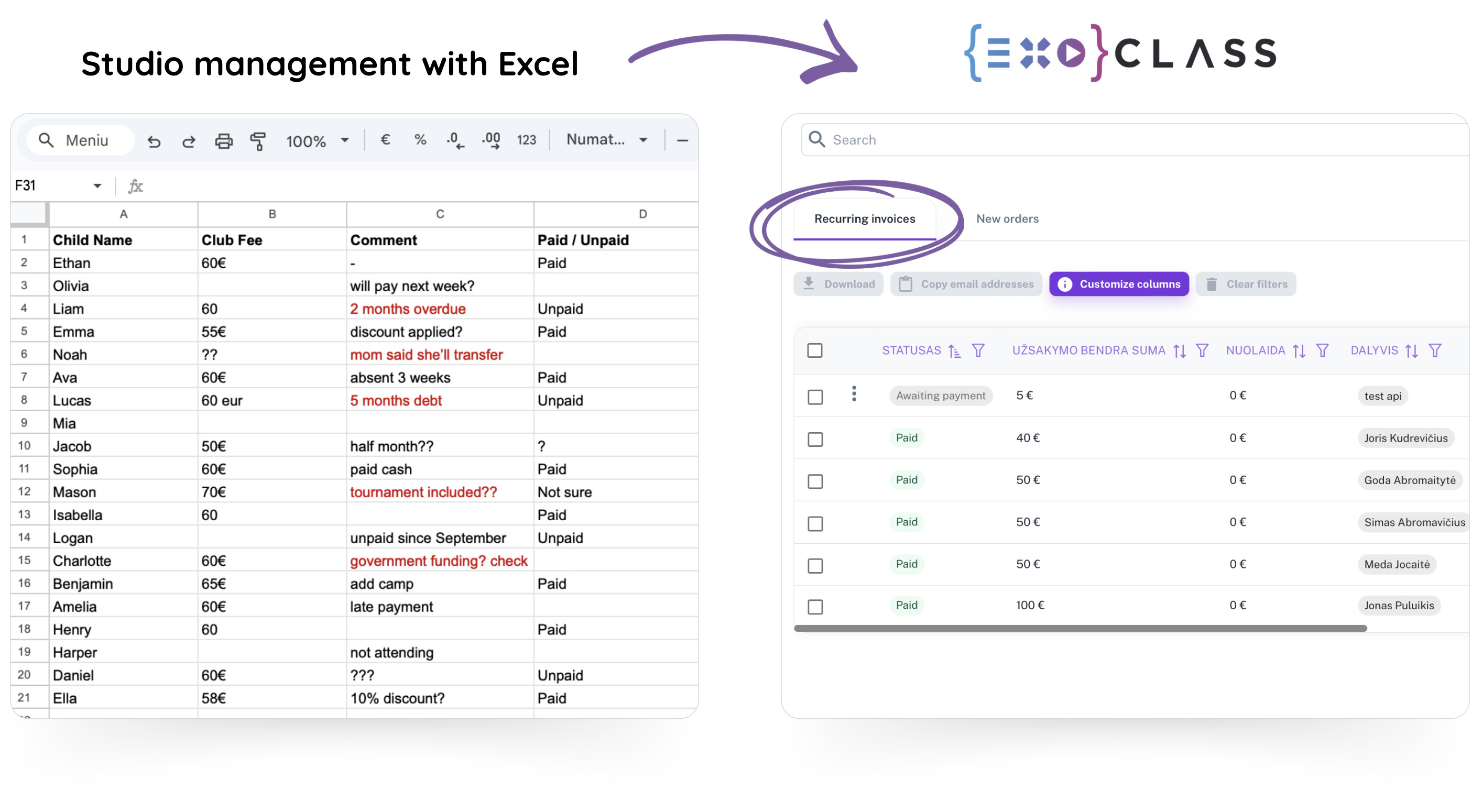
Every scheduling conflict means additional administrative hours. Every inaccuracy weakens the academy’s professional image. And every unused court hour represents direct lost revenue.
Without a structured tennis academy management system, growth becomes chaotic.
When tennis after-school club registration, lesson planning, and student management operate separately, leadership loses visibility of the full picture. Decisions are made reactively instead of strategically. That is why systematic, automated management is not just about efficiency—it is a fundamental requirement for sustainable academy growth.
When tennis training sessions and tennis after-school club registration are managed manually, payment administration quickly becomes one of the weakest links. The administrator has to check bank transfers, mark payments in spreadsheets, and send reminders individually. This not only consumes time—it significantly increases the risk of errors.
The most common issues include:
When student management and finances are not integrated into a single tennis academy management system, communication breakdowns are inevitable. Parents are unsure whether their payment has been received. Coaches cannot see whether a student’s spot is confirmed. The administrative team constantly checks, clarifies, and follows up.
The result is a higher risk of no-shows and missed lessons.
If reminders are not sent on time, if registration status is unclear, or if a payment is not properly recorded, the entire system suffers.
A modern tennis academy management system solves this structurally: integrated payments, automated reminders, and clear registration statuses reduce chaos and ensure smooth, reliable communication.
When we talk about digitalization, many people imagine a simple online registration form. However, a modern tennis academy management system is far more than a booking tool. It is the central operational engine that connects tennis after-school club registration, tennis training sessions, coach scheduling, and student management into one clear structure.
The system is not just a calendar—it is a coordination mechanism that allows the academy to operate without disruption.
A modern solution includes:
Most importantly, such a system centralizes student management. All data related to registration, attendance, payments, and schedules is stored in one place. This enables leadership to see not just individual lessons, but the full operational picture: occupancy rates, revenue, coach workload, and growth opportunities.
A modern tennis academy management system distinguishes a professionally run organization from one operating in “manual mode.” When processes are automated, the academy can scale in a structured way instead of constantly solving day-to-day operational disruptions.
Read more about how to maintain smooth club administration as student numbers grow in this article.
An effective tennis academy management system must do more than store data—it must simplify daily operations in a meaningful way. Its true value becomes clear when schedules are transparent, conflicts are rare, and student management is centralized. Below are the key process improvements delivered by a modern system.
1. Intuitive Lesson Planning
When tennis training sessions are scheduled manually, every adjustment requires additional communication and increases the risk of error. A modern system replaces this with a visual, easy-to-manage calendar.
It provides:
This means fewer mistakes and faster decision-making.
Tennis after-school club registration is automatically synchronized with the schedule, so every new registration is reflected instantly in the system.
2. Court Utilization and Time Optimization
Court time is one of the academy’s most valuable resources. Without real-time oversight, it is often used inefficiently. A modern tennis academy management system allows you to monitor court occupancy on a single screen.
The system ensures:
Every avoided double booking protects both reputation and revenue.
Instead of relying on guesswork, tennis training sessions are scheduled based on accurate, up-to-date data.
3. Online Booking and Payment Integration
When tennis after-school club registration and payments operate separately, communication gaps are inevitable. A modern system connects these processes into one seamless workflow.
This includes:
The result is fewer late payments and more stable cash flow.
In addition, student management becomes transparent—coaches and administrators can immediately see which students are confirmed, awaiting payment, or actively participating in lessons.
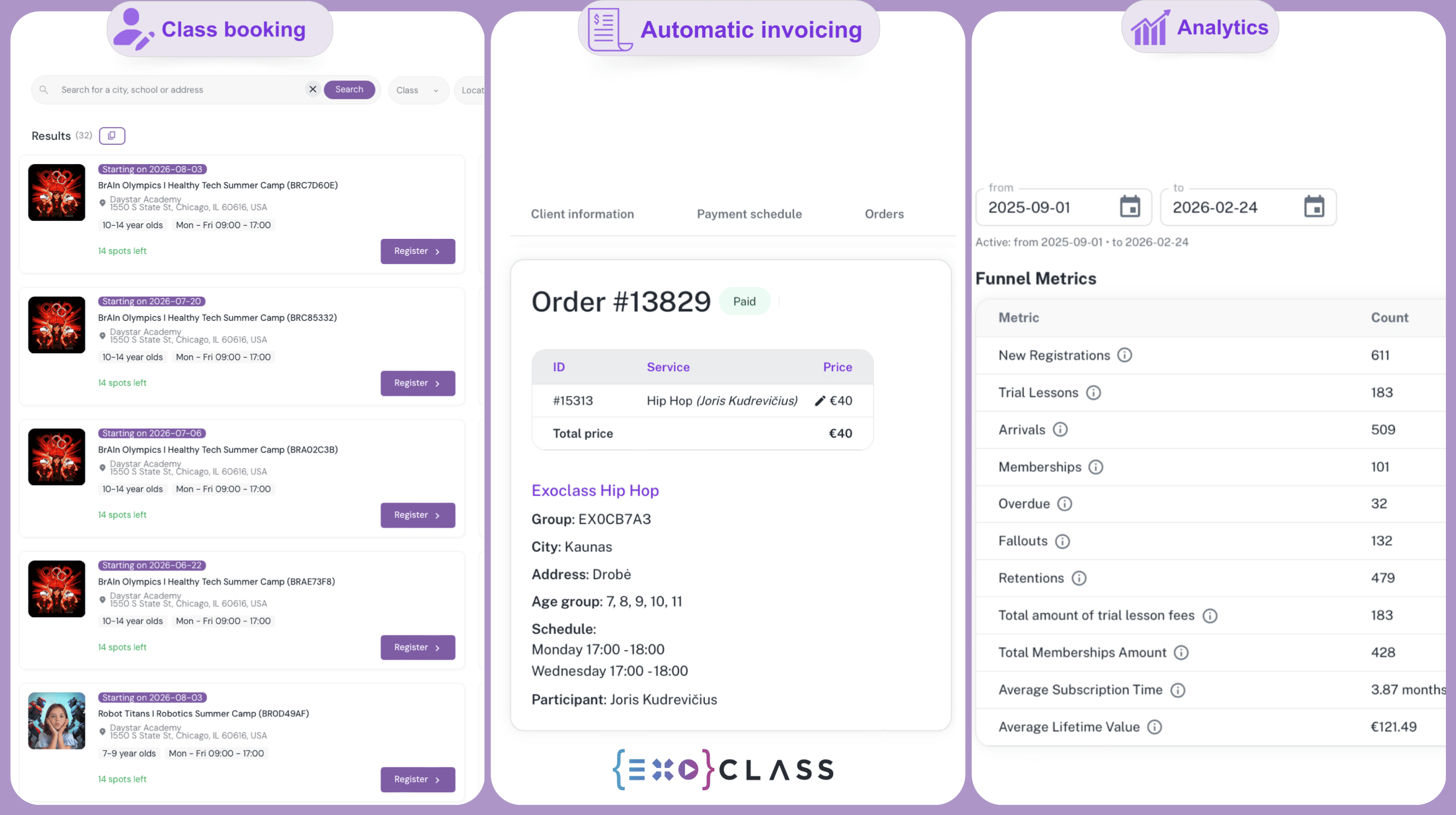
A modern tennis academy management system turns schedule management from an operational burden into a strategic advantage. When planning, court control, payments, and student management function within one integrated structure, the academy can grow steadily and predictably.
When selecting a tennis academy management system, decisions are often based on price or a long list of features. However, real value becomes visible in day-to-day operations—where tennis training sessions take place, schedules are built, and tennis after-school club registration happens. The wrong system does not reduce chaos; it amplifies it.
Below are the most common mistakes decision-makers should carefully evaluate.
1. Choosing a System Without a Real-Time Court Calendar
If a system does not provide a clear, real-time view of court availability, scheduling conflicts are inevitable. Double bookings, inaccurate updates, and delayed adjustments weaken the academy’s professional image.
Without a real-time calendar, it is impossible to efficiently plan tennis training sessions.
2. Skipping Payment Integration
When tennis after-school club registration and payments are not integrated, administration is forced to operate manually—checking transfers, sending reminders, updating payment statuses. This consumes time and increases the risk of error.
Integrated payments are not a luxury; they are essential for stable cash flow control.
3. Weak Coach Management Logic
If a system simply allows you to “assign a name” to a lesson but does not manage real coach availability, workload, or scheduling conflicts, the core problem remains unsolved. Student management and training planning must be synchronized with coach schedules.
Without this logic:
4. Limited Communication Tools
Communication is a critical part of tennis academy operations. If the system does not support automated reminders, bulk notifications, or clear status updates, the administrative team remains dependent on individual emails and messages.
Limited communication directly increases no-shows and misunderstandings.
When choosing a tennis academy management system, it is important to evaluate not only individual features but also how well they integrate. Does the system connect tennis after-school club registration, tennis training sessions, and student management into one logical workflow? Does it operate in real time, or does it force the team to react to problems after they occur?
The right system becomes a foundation for growth.
The wrong one becomes just another operational burden.
EXOCLASS is designed as a comprehensive tennis academy management system, bringing tennis after-school club registration, tennis training sessions, coach scheduling, and student management together in one platform. This means that all core processes—from registration to payment—operate within a single, unified structure rather than across scattered files and disconnected tools.
With EXOCLASS, you can:
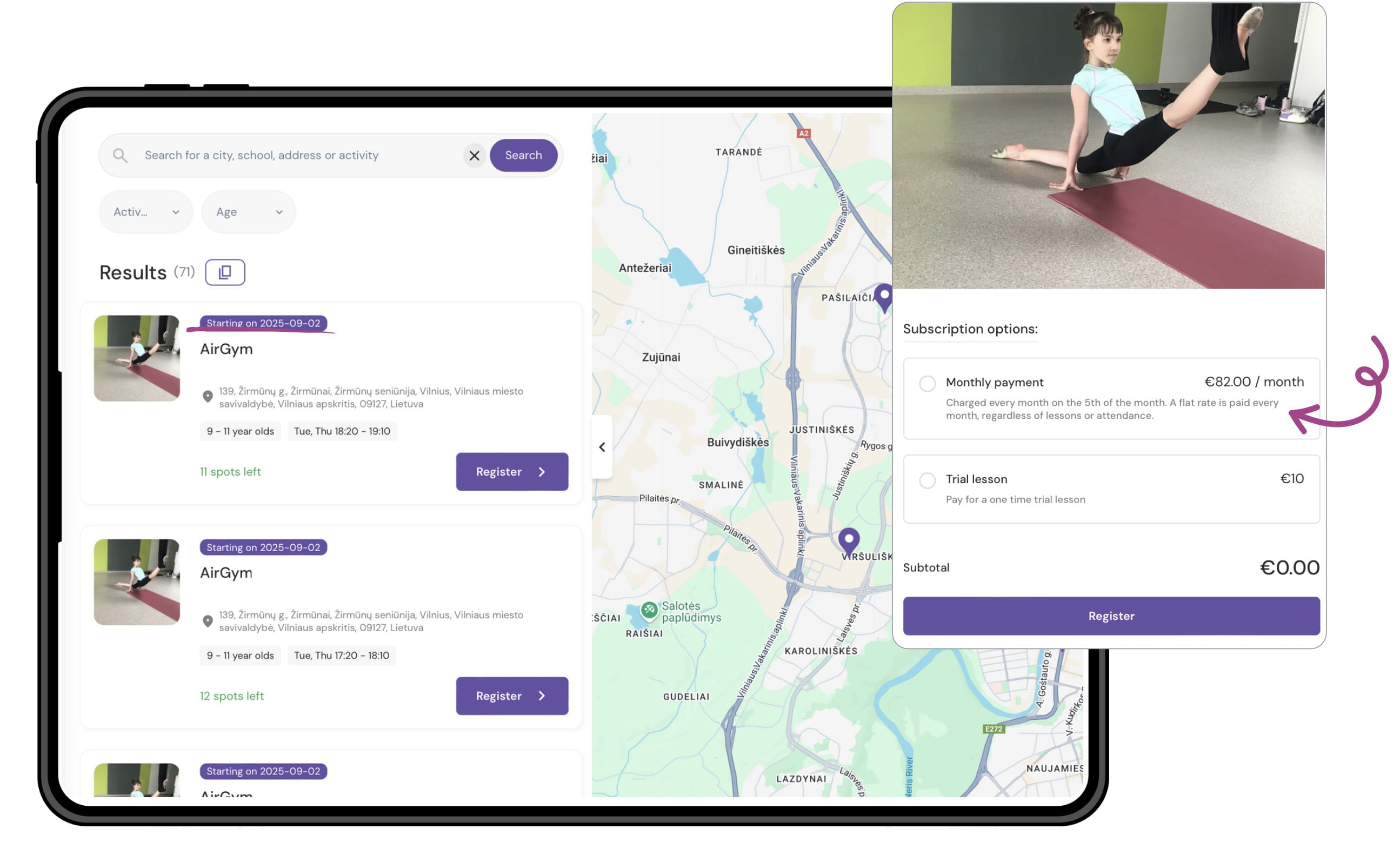
When operations are centralized, administration becomes strategic instead of reactive. Instead of constantly fixing scheduling issues, your team can focus on quality, growth, and long-term planning. This allows the academy to scale without a proportional increase in administrative burden.
A tennis academy management system is not just a technological convenience—it is operational infrastructure. It ensures smooth lesson planning, efficient student management, and stable revenue flow. When tennis after-school club registration, scheduling, and payments function within one system, the academy becomes predictable, professional, and ready for expansion.
Growth begins with structure.
🚀 Want to see how EXOCLASS could work for your tennis academy?
Book a free demo and discover how a modern tennis academy management system can increase efficiency, reduce administrative workload, and support confident, sustainable growth.